The hours after a service are often the ones families remember most clearly: a favorite story shared over coffee, the comfort of seeing familiar faces gathered in one gracious room, the quiet relief of not having to hurry. To plan a private memorial reception is to create space for those moments – not to produce a perfect event, but to welcome people with care while honoring someone deeply loved.
A reception need not be large or elaborate to feel meaningful. In fact, a smaller gathering in a private, beautifully appointed setting often allows guests to speak more freely and families to be more present. The best plans balance practical comforts with the distinctive details that reflect the life being remembered.
Begin With the Feeling You Want to Create
Before choosing a menu or making a guest list, consider the atmosphere that would have suited your loved one. Some families wish for a formal afternoon reception with tea, coffee, and elegant passed sweets. Others prefer a warm luncheon where relatives may linger at tables and share stories. An evening gathering with wine, soft candlelight, and a favorite playlist can feel equally appropriate.
There is no single proper format. Faith traditions, family customs, the time of the service, and the personality of the person being remembered should guide the occasion. A beloved gardener may be honored by flowers gathered in abundance; an avid reader by a table of treasured books; a gifted host by a meal that invites everyone to stay awhile.
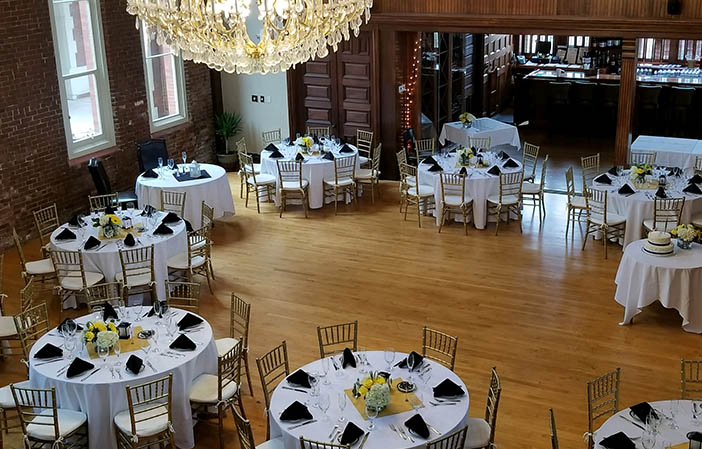
Choose a setting that supports the mood without asking the family to do too much. A private room is especially valuable during bereavement. Guests can arrive quietly, embrace family members, and speak openly without competing with a crowded restaurant or an impersonal banquet hall. Rooms with natural light, comfortable seating, fireplaces, antiques, and views of gardens can offer a sense of calm that a more conventional venue may not provide.
How to Plan a Private Memorial Reception With Care
A thoughtful reception begins with a realistic sense of attendance. Start with immediate family, close friends, colleagues, neighbors, and members of any congregation or organization central to your loved one’s life. If the service is open to a wider community, it is wise to allow for additional guests. The venue can help you select a room arrangement that feels welcoming rather than either crowded or sparsely filled.
Timing deserves just as much consideration. A reception immediately following the service is customary and convenient, particularly for out-of-town guests. It also gives family members a natural next place to go rather than ending an emotional day abruptly. Yet a reception held later in the afternoon or on another day can be gentler for a family that needs time to rest or has relatives arriving from a distance.
When speaking with a venue, share the details that affect comfort: the anticipated number of guests, the start and end time, mobility needs, parking considerations, dietary restrictions, and whether children will attend. A caring event team will make the process easier by helping with room placement, food service timing, tables for photographs or guest books, and the small adjustments that keep the gathering from feeling rushed.
Serve Food That Feels Generous, Not Formal for Formality’s Sake
Food is one of the simplest ways to care for guests who have traveled, stood through a service, or spent the day offering support. The menu does not need to be extravagant. It should feel abundant, comforting, and easy to enjoy while people visit.
For a morning or early afternoon reception, consider pastries, fresh fruit, tea sandwiches, quiche, and coffee. A luncheon may include seasonal salads, composed sandwiches, soups, or warmly served entrées. Later gatherings can be beautifully suited to small plates, a buffet of familiar favorites, or a plated meal for a more intimate circle.
Dessert often carries a personal note. Perhaps there is a family recipe, a favorite cake, or chocolates that recall a holiday tradition. If serving alcohol, keep the offering modest and thoughtful. Wine or a signature drink can be fitting when it reflects the guest of honor, but it is never required. Coffee, tea, sparkling water, and other nonalcoholic selections ensure every guest feels included.
The practical choice is usually a menu that needs little attention from family members. Passed or buffet-style food encourages natural movement through the room, while seated dining gives structure to a smaller event. Neither is inherently better. It depends on whether guests are likely to remain for a brief visit or spend several hours reconnecting.
Let Personal Details Speak Quietly
A memorial reception is not a display. The most touching details are often understated: a framed photograph near the entrance, a few handwritten recipe cards, a favorite piece of music played softly, or a vase of flowers in colors the person loved.
Create one central remembrance table rather than decorating every surface. Include photographs from different seasons of life, perhaps a small collection of meaningful objects, and a guest book or card box. Some families prefer a basket of blank note cards where visitors can write a memory. These messages become a gift in the days after the gathering, when the house has grown quiet and the family has time to read them.
If someone will offer a toast, poem, prayer, or brief remembrance, make the plan known to the venue. A suitable place for guests to gather and a moment of stillness can make even a short tribute feel deeply moving. Keep formal remarks limited. A reception should leave room for conversation, laughter, and the kind of stories that rarely fit into a service.
Music should remain in the background unless a planned performance is part of the tribute. Instrumental selections, a favorite jazz record, classical pieces, or songs from a meaningful era can set a gentle tone. Silence also has its place. Do not feel obliged to fill every pause.
Protect the Family From Unnecessary Decisions
In the first days after a loss, even small choices can feel enormous. Assign one trusted friend, relative, or venue contact to handle questions about arrivals, floral deliveries, dietary requests, and payments. This person can be the point of contact so immediate family members are not asked to make decisions throughout the reception.
It also helps to designate a few simple roles. One person can welcome guests at the door, another can keep an eye on the guest book, and another can gently let the family know when important visitors have arrived. These are quiet acts of hospitality that allow the closest mourners to remain together.
At Edgewood Manor Inn, the historic character of a private mansion can provide a particularly gracious setting for an intimate memorial occasion. Formal rooms, period details, and a residential sense of privacy help turn a necessary gathering into a warm expression of remembrance. For families welcoming relatives from beyond Rhode Island, nearby lodging can also ease the strain of travel and offer a peaceful place to rest.
Give the Gathering a Natural Ending
Memorial receptions rarely need a formal closing announcement. Most guests understand when the planned time is nearing its end, especially if food service has concluded and family members begin to say their goodbyes. Still, it is helpful to build a gentle ending into the schedule.
You might invite guests to take a final moment with the memory table, offer a brief word of thanks, or simply allow the room to settle naturally. Avoid planning too tightly. Some of the people who matter most may arrive late from travel, and family members may need longer conversations than expected.
Afterward, make one last kindness part of the plan: have someone take home the cards, photographs, flowers, and any remaining personal items. The family should leave with as little to carry or organize as possible. A private memorial reception is, at its heart, an offering of refuge – a beautiful room, a shared meal, and enough time for love to be spoken aloud.