A handwritten place card at a candlelit table. The soft hush before a ceremony begins. The comfort of looking out and seeing every face that has helped shape your life together. Micro weddings offer something that larger celebrations can sometimes lose: the rare pleasure of being fully present for every toast, embrace, and telling glance.
For couples who value beauty, hospitality, and a celebration with genuine feeling, a smaller guest list is not a compromise. It is an opportunity to make each detail more personal, from the room where vows are exchanged to the breakfast shared with loved ones the following morning.
What Makes a Micro Wedding So Meaningful?
A micro wedding generally includes a modest gathering of close family and friends, often between 15 and 50 guests. It carries the intention and ceremony of a traditional wedding, but with a gentler scale. There may still be exquisite flowers, a formal dinner, music, photographs, and a beautiful cake. The difference is that the day feels less like a production and more like an occasion held close.
That intimacy changes the rhythm of the celebration. Rather than rushing through greetings, couples can linger over dinner conversations. They can select a menu with their guests in mind, write personal vows without feeling as though they are performing for a crowd, and enjoy a setting where everyone can gather comfortably in one memorable space.
For many couples, the appeal is also practical. A smaller guest count can make room in the budget for the elements that create lasting atmosphere: exceptional food, lush floral arrangements, live music, fine stationery, professional photography, or a longer honeymoon. Still, the greatest value is not simply financial. It is the freedom to shape a wedding day around the people and traditions that matter most.
Why a Historic Setting Suits Intimate Celebrations
Grand ballrooms have their place, but a small wedding deserves surroundings that feel warm rather than empty. Historic homes and inns offer a natural sense of occasion, with architectural character that does much of the visual work before a single flower is placed.
Imagine exchanging vows beneath stained or leaded glass, then stepping into a formal room softened by antique furnishings, polished wood, and the glow of a fireplace. In warmer months, a garden or patio can lend a lovely sense of privacy to cocktails, portraits, or an outdoor ceremony. These spaces are particularly well suited to intimate celebrations because guests do not simply enter a venue. They are welcomed into an atmosphere.
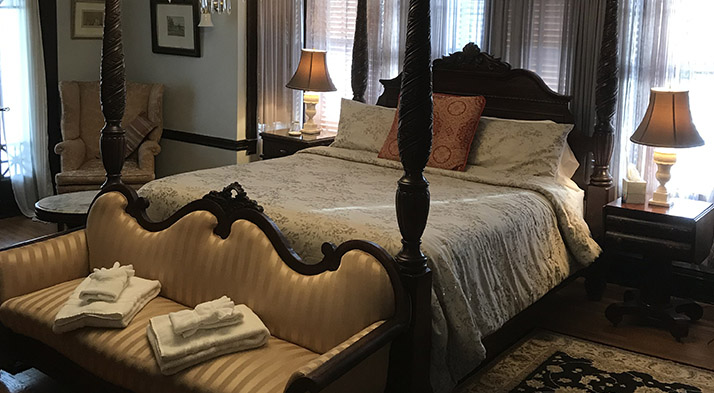
At Edgewood Manor Inn, a circa-1905 Greek Revival mansion creates that feeling of being graciously received. Formal rooms, period antiques, fine art, and lush gardens offer a richly romantic backdrop, while the residential character of the inn keeps the gathering personal. For couples planning a Providence celebration, it is a setting that feels removed from the ordinary while remaining convenient to the city and T.F. Green Airport.
A historic venue also adds texture to wedding photographs. A carved mantel, a sweeping staircase, a sunlit window, or a quiet garden path can frame portraits with far more character than a blank wall ever could. The aim is not to overdecorate a beautiful room, but to let its existing grace inform the day.
Planning Micro Weddings Without Losing the Occasion
A smaller wedding benefits from thoughtful planning just as much as a larger one. The guest list, especially, deserves care. Begin with the people whose presence would make the day feel incomplete: immediate family, closest friends, chosen family, and perhaps a few mentors who have been part of your story. This approach can be emotionally clarifying, though it may require kind and firm boundaries with extended circles.
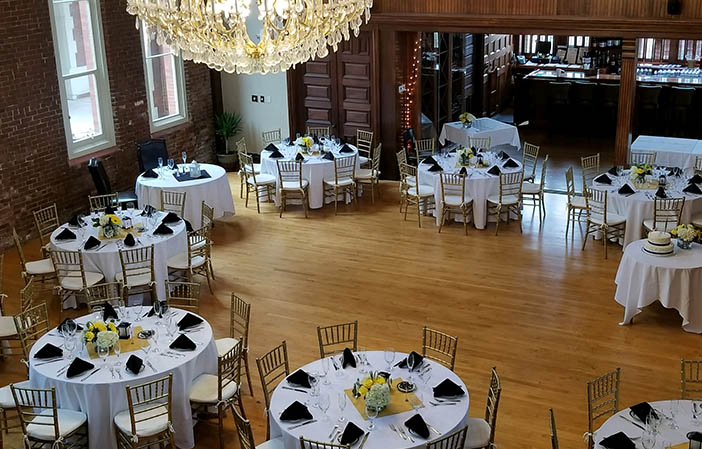
Once the guest count feels right, consider how each part of the day can invite connection. A ceremony followed by champagne in the garden and a seated dinner in a formal dining room may be more meaningful than trying to reproduce every convention of a 200-person reception. There is no requirement for a packed dance floor, a towering cake, or an all-night schedule unless those things truly delight you.
The best intimate weddings often have a clear sense of place. A Providence couple might serve a favorite regional dish, choose flowers that echo the season, or offer guests a brief welcome note with recommendations for nearby dining, historic neighborhoods, and cultural stops. These gestures need not be elaborate. Their charm lies in feeling specific to the two of you.
Give the Day Room to Breathe
One advantage of a compact guest list is that the schedule can be less hurried. Allow time for photographs before the ceremony, a quiet moment together after vows, and an unhurried meal. If guests are staying nearby or within the venue, a relaxed next-morning breakfast can become part of the celebration rather than an afterthought.
For a weekend gathering, consider a simple arc: welcome drinks on the first evening, the wedding celebration the next day, and breakfast or brunch before departure. This creates a sense of a shared retreat, especially appealing for guests traveling from elsewhere in New England or beyond.
Spend Where Guests Will Feel It
Micro weddings allow couples to make more deliberate choices, but they do not automatically cost less. A restaurant-quality dinner, custom attire, premium florals, and extensive photography can quickly shape the budget. Decide early which experiences matter most to you both.
For some, that means a beautifully prepared meal served at one long table. For others, it is a musician during the ceremony, a suite for the wedding night, or a photographer with time to capture candid moments. A historic venue may reduce the need for extensive decor, allowing the budget to support comfort and hospitality instead. It depends on whether you envision understated elegance or a more lavish small-scale affair.
The Details That Make Guests Feel Cherished
With fewer guests, each person can be greeted with a level of attention that is difficult to achieve at a large reception. Place cards can include a handwritten note. Welcome bags can feature a local treat and a small itinerary. A family-style dinner can encourage stories across the table, while a thoughtfully chosen playlist can make the room feel distinctly yours.
Consider the comfort of the entire experience, not only the ceremony. Is there a graceful place for older relatives to sit? Is the ceremony space comfortable in the season you have chosen? Will out-of-town guests have easy access to lodging, transportation, and a morning meal? These practical questions are part of hospitality, and hospitality is often what guests remember long after the flowers have faded.
If children are included, it can help to plan with their needs in mind rather than merely adding them to an adult schedule. A shorter ceremony, a familiar food option, or a nearby quiet room can make the day easier for parents and more enjoyable for everyone.
A Small Wedding Can Hold a Big Story
The loveliest micro weddings resist the pressure to look like someone else’s celebration. They may include a formal procession and a seated reception, or they may begin with a private first look in a garden and end with dessert by the fire. Both can be elegant. Both can feel deeply ceremonial.
What matters is that the scale serves the story. A couple who treasures long dinners with friends may create a candlelit feast. A couple with family spread across the country may make a full weekend of reconnection. A couple seeking privacy may choose a quiet ceremony followed by a celebratory meal with only their nearest people.
Let the setting, the season, and your own history guide the choices. When the guest list is small enough to hold close, there is room for the details that cannot be ordered or arranged: laughter around the table, an unexpected toast, the lingering warmth of a house full of people you love.