A Providence weekend can begin in two very different ways: with a key card and a polished lobby, or with the soft glow of stained glass, a fireplace waiting upstairs, and breakfast served in a formal dining room. When choosing a historic inn versus boutique hotel, the distinction is more than a matter of décor. It shapes the pace, privacy, and feeling of the entire stay.
For couples celebrating an anniversary, planning a proposal weekend, or simply stepping away from ordinary routines, the right setting matters. Both options can be stylish and comfortable. Yet one may feel like a beautifully designed place to sleep, while the other feels like an occasion in itself.
What Separates a Historic Inn From a Boutique Hotel?
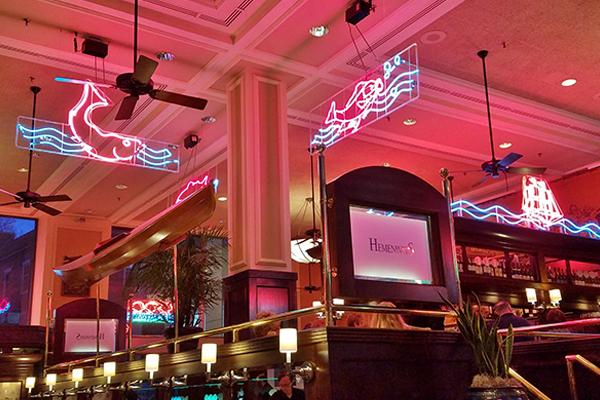
A boutique hotel is generally defined by a smaller scale, intentional design, and an identity that differs from a large chain property. It may occupy a newly built building, a converted mill, or a downtown address with dramatic contemporary interiors. Its appeal often lies in its visual point of view: curated artwork, fashionable furnishings, a lively restaurant or bar, and an energetic connection to the city outside its doors.
A historic inn begins with a different foundation. Its character is not created solely through a design concept. It is rooted in the home itself: original millwork, gracious staircases, period architecture, antique furnishings, formal parlors, gardens, and rooms shaped by more than a century of stories. No two chambers need look alike because, in a historic mansion, they often were never intended to.
That difference can be felt immediately. A boutique hotel may offer a highly polished, social atmosphere. A historic inn offers the rare pleasure of entering a private residence on a grand scale, where the details encourage guests to slow down and linger.
Historic Inn Versus Boutique Hotel: The Experience
The best choice depends on the kind of escape you imagine when you close the door behind you.
For romance and meaningful celebrations
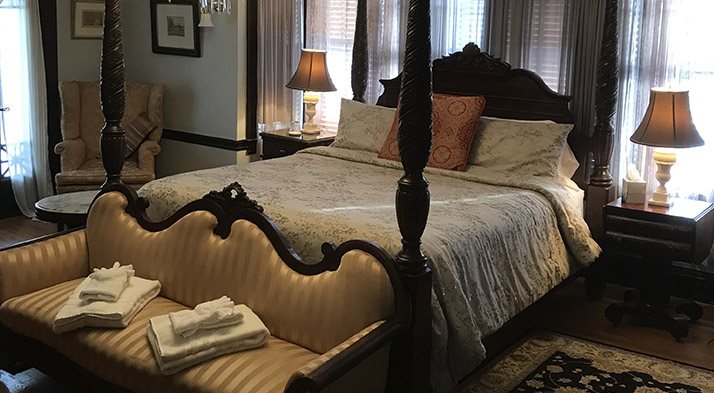
A historic inn is especially suited to stays with a reason behind them. An anniversary deserves more than a convenient room. A honeymoon, birthday, or romantic getaway calls for a setting with warmth and visual richness – perhaps a canopy bed, fine linens, a deep whirlpool tub, or a fire quietly flickering after dinner.
The romance of a historic property is often found in the layers. Leaded glass catches the afternoon light. A Victorian armoire stands beside a modern private bath. Fresh flowers or a garden view soften the formality of an elegant room. These details do not merely photograph well; they give a couple a sense of being somewhere apart from daily life.
Boutique hotels can certainly be romantic, particularly if you prefer sleek lines, rooftop cocktails, or a room in the center of a busy neighborhood. Still, contemporary glamour and historic romance are distinct moods. One feels current and connected. The other feels intimate, timeless, and wonderfully private.
For individuality rather than uniformity
In many boutique hotels, rooms share a common palette and layout, with small variations in size or view. This consistency is reassuring for travelers who know exactly what they want.
At a historic inn, the room itself becomes part of the choice. One suite may feature an ornate mantel and a generous sitting area; another may have Empire-style furnishings, a romantic four-poster bed, or a view over the gardens. The distinctive proportions of an older mansion create spaces with personality, not repetition.
That individuality is a gift for guests who value atmosphere. It does require a little thought when booking. Rather than choosing only by bed type, ask which room best suits your occasion, whether a fireplace or Jacuzzi tub is important, and how much space you would like for a leisurely morning. Personal guidance from an innkeeper can make that decision feel pleasantly easy.
Service Has a Different Rhythm
Boutique hotels often excel at convenience. Depending on the property, guests may find a 24-hour front desk, an onsite bar, room service, fitness facilities, and the familiar momentum of a full hotel operation. For a short business trip, a late arrival, or travelers who prefer minimal interaction, that model can be exactly right.
Historic inns offer a more personal form of hospitality. The experience tends to feel hosted rather than processed. A knowledgeable innkeeper may recommend a favorite Providence restaurant, help arrange a romantic surprise, suggest the best route to an evening performance, or point guests toward a quiet historic neighborhood worth wandering.
Breakfast is another meaningful dividing line. Rather than a rushed buffet in a lobby corner, a full breakfast at an elegant bed-and-breakfast can become part of the pleasure of staying there. Served in a formal dining room or, in fine weather, on a patio overlooking the grounds, it gives the morning an unhurried beginning. For couples who spend much of their workweek eating on the run, that small luxury has lasting appeal.
Consider Location, Quiet, and Convenience
A boutique hotel frequently places guests near the busiest restaurants, shops, and nightlife. That convenience can be ideal for visitors who want to walk downstairs into the center of the action. It can also bring street noise, busier common spaces, and a less secluded feeling at the end of the evening.
Historic inns are often found in established residential neighborhoods, close enough to enjoy downtown Providence while offering a quieter retreat afterward. At Edgewood Manor Inn, a circa-1905 Greek Revival mansion on a National Historic Register street provides that balance: an architectural setting removed from the city’s rush, with downtown Providence and T.F. Green Airport within convenient reach.
For many leisure travelers, a peaceful night is part of the luxury. There is pleasure in returning from dinner, stepping through a grand entrance, and leaving the city’s pace behind without leaving the city far behind at all.
The Practical Trade-Offs Are Worth Considering
Historic character asks guests to embrace a few realities of older buildings. Room sizes and layouts can vary. Staircases may be part of the experience, and not every historic property has the same accessibility features as a newer hotel. Guests with specific mobility needs should always discuss them before reserving, rather than assuming every room is suitable.
A boutique hotel may offer more standardized accessibility, more elevators, larger parking operations, and a broader range of public amenities. Travelers attending a convention, arriving very late, or prioritizing a particular hotel service may find those features decisive.
But a historic inn need not mean sacrificing comfort. A thoughtfully restored property can pair period antiques and original architecture with the essentials modern travelers expect: private baths, air conditioning, Wi-Fi, cable television, fine linens, and attentive care. The pleasure lies in having those comforts within rooms that could never be mistaken for generic.
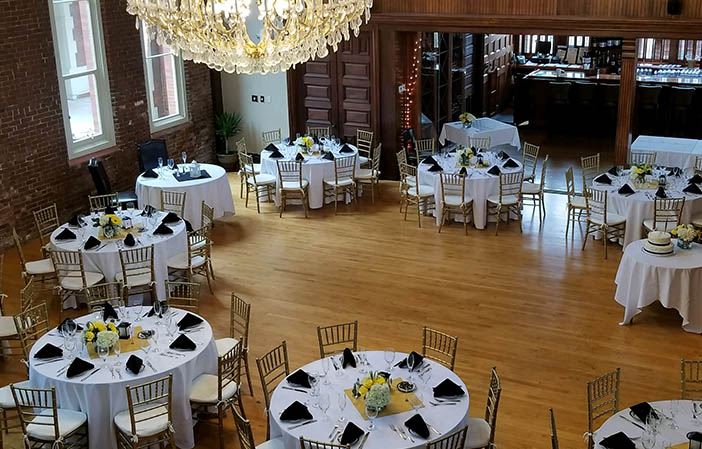
For intimate events, the difference grows even more pronounced. A boutique hotel can accommodate gatherings efficiently, especially larger ones requiring extensive meeting infrastructure. A mansion inn brings a sense of ceremony to smaller celebrations. Bridal showers, engagement parties, anniversary dinners, memorial gatherings, and intimate wedding receptions gain an extraordinary backdrop in a ballroom, formal parlor, or garden framed by historic architecture.
Which Stay Will Feel Most Like Yours?
Choose a boutique hotel when you want contemporary energy, highly predictable amenities, and immediate access to a lively urban scene. Choose a historic inn when you want your accommodations to carry emotional weight – when a room should feel less like a stopover and more like the setting for a memory.
The loveliest Providence stays are not always the ones with the most square footage or the busiest lobby. Sometimes they begin with an antique key, continue over a gracious breakfast, and end beside a fireplace in a room that invites you to stay just a little longer.