A candlelit supper beneath antique chandeliers, a wedding toast shared among the people who know the couple best, a bridal shower that lingers into afternoon tea: intimate event trends are moving celebrations away from spectacle for spectacle’s sake. Hosts are choosing gatherings that feel personal, beautifully paced, and genuinely memorable.
For couples and families planning a milestone in Providence, this shift brings welcome freedom. A smaller guest list does not mean a lesser occasion. It often creates room for finer details, deeper conversation, more thoughtful hospitality, and a setting that needs no elaborate disguise to feel extraordinary.
Why Smaller Celebrations Feel So Grand
The appeal of an intimate event begins with attention. When a host is welcoming 25, 40, or 60 guests rather than hundreds, each choice can carry greater meaning. The menu can reflect family recipes or a favorite local meal. The seating plan can place old friends together. A champagne toast can be heard by everyone in the room, without microphones or distance.
There is also a practical advantage. A carefully considered guest count can direct more of the budget toward the experience itself: lush flowers on the table, a beautifully prepared meal, live music during cocktails, or accommodations that allow a wedding weekend to unfold at an unhurried pace. The goal is not simply to spend more per person. It is to spend with intention.
Historic homes and smaller reception rooms are especially suited to this kind of occasion. Their architecture already offers character, warmth, and a sense of arrival. Leaded glass, carved woodwork, formal dining rooms, fireplaces, and gardens provide the visual richness many hosts once tried to build from scratch in a blank ballroom.
Intimate Event Trends That Feel Lasting
Some trends are fleeting, but the most appealing ideas for smaller gatherings are rooted in hospitality. They make guests feel welcomed rather than impressed from a distance.
The weekend celebration
Rather than concentrating every moment into one hurried evening, many couples are creating a gentle arc around the main event. A few loved ones may arrive the night before for dinner, stay for breakfast the following morning, and enjoy time together between planned moments. This is particularly lovely for destination-minded celebrations, even when the destination is only a short drive away.
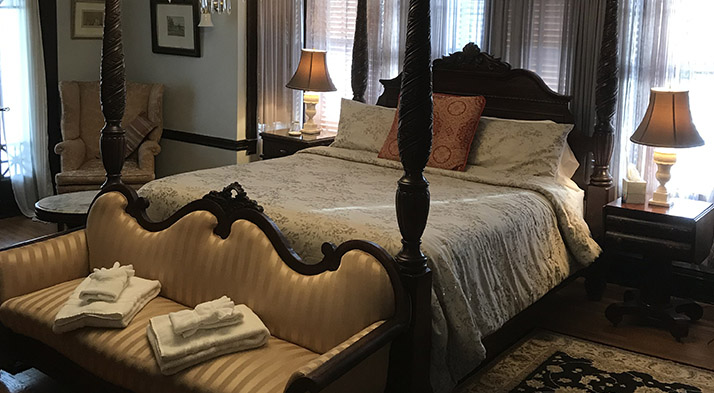
For an inn or mansion venue, overnight accommodations become part of the occasion rather than a logistical afterthought. Guests can retreat to elegantly appointed rooms, gather again over morning coffee, and leave feeling they have shared an experience rather than merely attended an event.
Tables designed for conversation
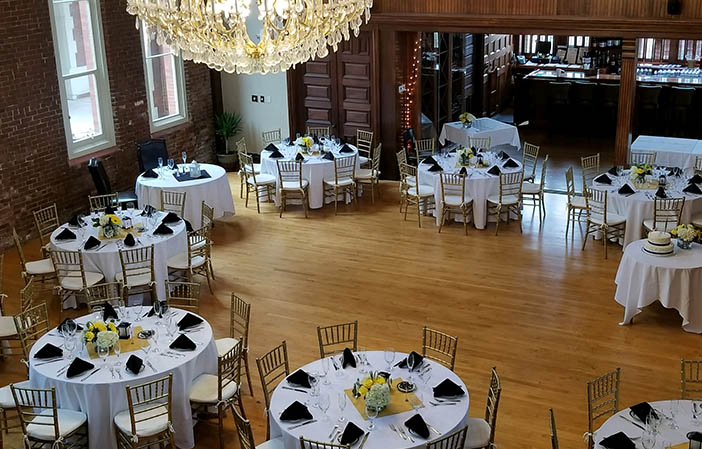
Long banquet tables, gracious rounds, and family-style dining are returning for a simple reason: people want to speak with one another. The most successful table designs favor candlelight, low floral arrangements, and place settings that feel polished without obstructing faces across the table.
This does not require rigid formality. A formal room can host a relaxed meal, and a garden gathering can feel refined. What matters is that the design supports the mood. If a centerpiece is too tall, if music is too loud, or if the schedule is too packed, even the most exquisite setting can feel less welcoming.
Personal rituals over generic programming
Couples are borrowing traditions selectively and adding rituals that belong to them. A private first look in the garden, letters exchanged before the ceremony, a champagne toast with parents, or a favorite song played during dessert can carry more emotional weight than an overproduced timeline.
The same holds true for showers, anniversary dinners, and christenings. A grandmother’s cake recipe, photographs from earlier generations, or a short reading chosen by the family can transform a lovely party into a gathering with a distinct sense of history.
Flowers and décor with a sense of place
There is a growing preference for arrangements that complement a venue rather than compete with it. In a period mansion, soft garden roses, seasonal branches, taper candles, and textured linens can enhance the room’s original beauty. A formal ballroom may ask for a more abundant floral moment, while a sunlit patio may need only fresh blooms and beautiful glassware.
The trade-off is worth considering. Minimal décor can be elegant when the architecture is strong, but it must still feel deliberate. Conversely, lavish installations can be magnificent, yet they may crowd a smaller room or overshadow the people gathered there. The most successful choice is usually the one that honors the scale of the space.
The Return of the Hosted Experience
One of the most meaningful intimate event trends is less visual than it is emotional: hosts want guests to feel cared for. This shows up in small gestures, from a warm welcome at the door to a considered menu for guests with dietary needs. It also means allowing time for people to settle in rather than rushing immediately from ceremony to photographs to dinner.
At Edgewood Manor Inn, the romance of a restored Greek Revival mansion lends itself naturally to this style of entertaining. Its formal rooms, antiques, stained glass, and lush gardens offer a setting with its own story, while personal hospitality helps a gathering feel comfortable rather than overly staged.
For hosts, this is a reminder that service matters as much as scenery. A venue team that understands the rhythm of the day can help protect the moments that guests remember: the quiet before a ceremony, the first welcome drink, the pause after a meaningful toast, and the chance for the guest of honor to speak with everyone in the room.
Choosing a Venue for an Intimate Occasion
A beautiful photograph is a fine starting point, but it should not be the final deciding factor. Ask how the spaces feel when occupied by your expected number of guests. A room that is too large can make a small gathering seem sparse, while a room that is too tight may compromise comfort and service.
Consider the full experience as well. Is there a gracious place for guests to arrive? Are there separate areas for a ceremony, cocktails, and dinner, if the event calls for them? Can close family or out-of-town guests stay nearby? What happens if weather changes the plan for a garden celebration?
For weddings and larger receptions, privacy and flexibility may matter most. For a shower or anniversary lunch, daylight, a comfortable dining arrangement, and ease of access may take precedence. A memorial gathering may call for quiet dignity, warm service, and a room that encourages stories to be shared. The right venue depends on the purpose of the gathering, not only its guest count.
What Not to Sacrifice in the Name of Intimacy
A smaller event should feel edited, not underplanned. Guests still appreciate clear timing, comfortable seating, excellent food, and thoughtful hosting. The desire for a relaxed atmosphere should not become a reason to leave guests uncertain where to go or when the meal will begin.
It is equally wise to protect the hosts from trying to do everything themselves. Personal touches are lovely, but a celebration should not require the couple or family to spend the day arranging favors, directing vendors, or clearing tables. Choose a few details that matter deeply and let experienced hands tend to the rest.
There is no single ideal number for an intimate event. For some, it means a dinner for twelve in a private room. For others, it is a wedding reception of seventy surrounded by family and lifelong friends. The defining quality is not the number on the invitation. It is the feeling that every person present belongs there.
When planning a celebration, begin with the memory you hope guests will carry home: the glow of the room, the pleasure of a shared meal, the beauty of a meaningful toast, and the rare comfort of having time to be together.