A glowing five-star rating can be encouraging, but historic inn reviews become truly useful when you read beyond the number. A century-old mansion does not promise the same experience as a newly built hotel, nor should it. Its appeal lies in the creak of original floors, the color held in leaded glass, a fireplace glowing at dusk, and the feeling that your room has a story before you ever arrive.
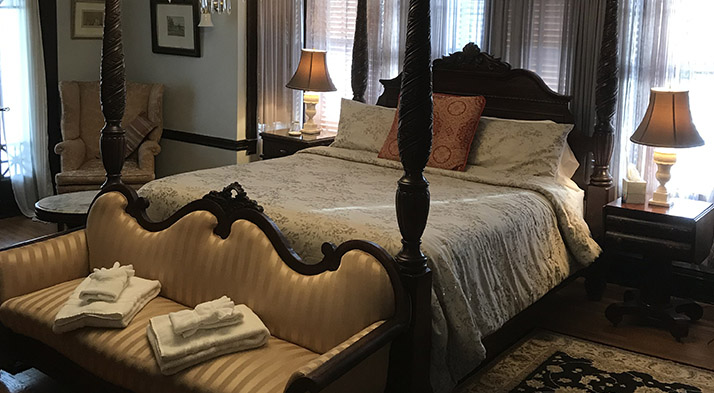
For a romantic weekend, anniversary, special celebration, or quiet Providence escape, the best review is not necessarily the most effusive one. It is the one that helps you picture your own stay. Does the guest describe lingering over breakfast in a formal dining room? Did the innkeeper make a thoughtful dinner recommendation? Was a grand four-poster bed paired with the comfort of a private bath and cool air conditioning? Those details reveal whether an inn’s particular character suits the occasion you have in mind.
What Historic Inn Reviews Can Tell You
A historic property is meant to feel distinct. Reviewers often notice features a conventional hotel guest might overlook: the scale of a staircase, antique furniture in the parlor, gardens outside a window, or the changing afternoon light through stained glass. When several guests mention these elements with affection, they are telling you the inn has preserved an atmosphere, not simply adopted a period theme.
Look for specificity. A review that says, “The room was beautiful,” is pleasant but broad. A review that recalls a marble-topped dresser, a whirlpool tub after a day in the city, fresh linens, or coffee on a garden patio gives you a far clearer sense of the experience. Details also suggest that the guest slowed down enough to enjoy the setting, which is often precisely the pleasure of choosing a historic bed-and-breakfast.
Pay attention to the words guests use about the staff. At an intimate inn, hospitality is personal. Visitors may mention being welcomed by name, receiving help with directions, finding an anniversary surprise arranged with care, or getting advice about restaurants and Providence attractions. These comments matter because a gracious host can transform a handsome room into a genuinely memorable stay.
At the same time, read compliments with the occasion in mind. A business traveler may prize dependable Wi-Fi, a private bath, and a peaceful room near downtown. A couple planning a romantic getaway may care more about a fireplace, a spacious suite, and the chance to enjoy breakfast without rushing. The most persuasive reviews are often those written by travelers whose plans resemble your own.
Separate Historic Character From Genuine Discomfort
The honest charm of an older home comes with distinctions worth understanding. Original architecture may mean varied room layouts, stairs, smaller closets, or a bath arranged differently than one in a modern hotel. Those are not automatically shortcomings. They can be part of what makes one room feel like a private retreat and another feel like a grand guest chamber.
The question is whether reviewers describe these features as thoughtfully maintained and clearly presented. Guests should be able to expect clean accommodations, comfortable bedding, functioning climate control, and attentive service, even when the surroundings are richly historic. A well-kept mansion honors its past while caring for present-day comfort.
When reading a criticism, notice whether it is a personal preference or a recurring operational concern. One guest may prefer sleek minimalism to Victorian ornament. Another may wish every room had an elevator nearby. Those observations can help you choose wisely, especially if accessibility is a consideration. Repeated concerns about cleanliness, maintenance, noise, or unresponsive service deserve closer attention. The pattern matters more than a single frustrated comment.
How to Compare Historic Inn Reviews With Care
Start with the newest reviews, then look back over several seasons. An inn should not be judged solely on remarks from years ago, whether glowing or critical. Recent feedback offers the best view of current housekeeping, breakfast, service, and condition. Older reviews can still be revealing when they consistently praise enduring qualities such as the architecture, gardens, or warm welcome.
A useful reading habit is to group comments into a few themes: room comfort, hospitality, breakfast, location, and atmosphere. You need not count every mention, but you should notice what guests return to unprompted. If visitors repeatedly describe a peaceful night’s sleep, generous breakfast, and helpful local guidance, the inn is likely delivering the essential pleasures that matter most.
Photos supplied by guests can add context, though they should not replace an inn’s own room descriptions. Natural light, weather, camera quality, and a guest’s particular taste can change the impression of a space. Use photos to understand scale and personality, not to demand that every decorative detail look identical to an image taken years earlier. Historic interiors evolve gently, and that is often a sign that they are lived in and loved.
Read Reviews Through the Lens of Your Occasion
For a proposal weekend or honeymoon, seek remarks about privacy, fireplaces, tubs, elegant suites, and staff who understand special occasions. Guests celebrating milestones tend to say whether the mood felt intimate and whether the inn added small, meaningful touches without becoming intrusive.
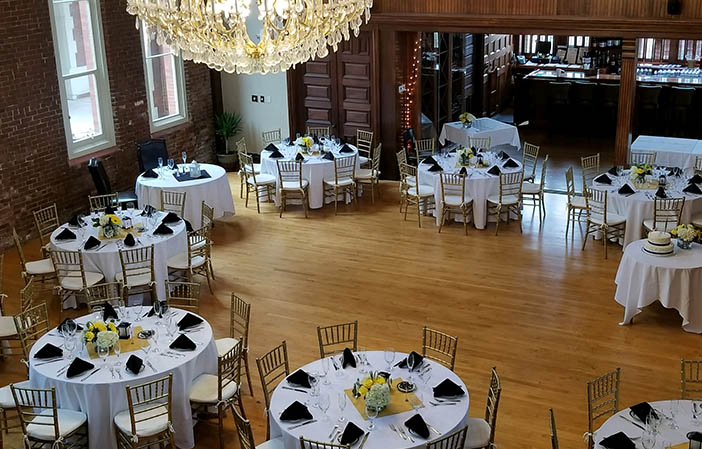
For a birthday gathering, shower, small wedding, or family remembrance, event reviews deserve their own careful reading. The most helpful ones speak to more than beautiful rooms. They mention the ease of planning, the atmosphere of the ballroom or formal spaces, the care shown to guests, and the way a historic setting made a gathering feel personal rather than generic. A dramatic mansion can provide a magnificent backdrop, but responsive coordination is what allows hosts to enjoy the day.
For a Providence visit centered on dining, theater, museums, or nearby neighborhoods, look for comments on the balance between convenience and calm. Many guests prefer a residential setting where they can retreat from the city’s energy after an evening out, while still remaining close to downtown and the airport. What feels ideally tucked away to one traveler may feel less central to another, so match location feedback to the pace of your trip.
For corporate or weekday travel, practical remarks take on extra weight. Reliable Wi-Fi, a comfortable workspace, quiet evenings, flexible arrival information, and a satisfying breakfast can make a historic inn an appealing alternative to an anonymous chain hotel. The finest historic stays allow guests to work efficiently, then return to surroundings with warmth and distinction.
Look for the Feeling Between the Lines
The most revealing historic inn reviews often describe a feeling rather than a feature. Guests may write that they felt cared for, transported, rested, or reluctant to leave. Those phrases can sound sentimental, yet they often point to something concrete: a room prepared with attention, gracious conversation at breakfast, a garden kept inviting, or a host who anticipated a need.
This emotional dimension matters most when travel marks an occasion. An anniversary is not simply one night away. It is a pause from ordinary routines. A wedding shower is not merely a reservation for a room. It is an afternoon meant to become part of a family’s shared memory. Historic surroundings, fine antiques, art, and formal rooms lend these moments a sense of occasion that cannot be measured in square footage.
That said, do not expect every reviewer to value the same things. Some travelers want a perfectly standardized room and quick self-service. Others choose an inn precisely because no two rooms are alike and because breakfast comes with conversation. Neither preference is wrong. The purpose of reviews is not to prove that one style is superior, but to help you find the place where your preferences and the property’s character meet.
At Edgewood Manor Inn, the appeal of a restored Greek Revival mansion is found in that meeting of heritage and hospitality: a setting rich with antiques, stained glass, formal beauty, and the comforts that let guests settle in. Reviews are most valuable when they help you decide whether that kind of stay is the one you are hoping to remember.
Before reserving, read enough to recognize the inn’s rhythm, then trust your reason for traveling. Choose the room, setting, and level of occasion that make you want to linger over breakfast, take the long way through the garden, and let the weekend feel a little more extraordinary.