A beautiful wedding weekend has a rhythm: the quiet excitement of arrival, a toast shared before the rehearsal dinner, the slow morning after when guests linger over coffee and relive every lovely detail. Wedding room blocks make that rhythm possible. Rather than sending loved ones to scattered hotels across the city, a thoughtfully arranged block gives them a welcoming home base and gives you greater peace of mind.
For couples planning an intimate Providence celebration, accommodations can be more than a practical line on the checklist. They can become part of the occasion itself. A historic mansion, a garden path, a glowing fireplace, and elegantly appointed rooms create the feeling that the celebration has begun well before the ceremony.
What Wedding Room Blocks Actually Do
A wedding room block is a set number of rooms reserved for a couple’s guests for specific dates, usually surrounding the wedding. Guests reserve from that selection by an agreed deadline, often using the couple’s name or a simple booking instruction. It is a gracious convenience for out-of-town family, close friends, and anyone who would prefer not to search for accommodations on their own.
The best arrangement depends on the shape of your celebration. A large wedding with guests arriving from several states may need rooms at more than one property, perhaps with one preferred hotel for the larger group and a smaller, more distinctive inn for immediate family or the wedding party. An intimate wedding may call for something altogether more personal: reserving a collection of rooms where the people closest to you can stay under one magnificent roof.
A room block also helps your guests plan with confidence. Providence is especially lively around college events, holidays, theater weekends, and seasonal celebrations. When lodging is considered early, guests are less likely to face limited choices or a long drive at the end of an evening filled with champagne and dancing.
Choosing the Right Size for Wedding Room Blocks
Begin with the people you truly expect to stay overnight, not your full invitation list. Consider immediate family, the wedding party, guests traveling from afar, and anyone who may need a quieter, more convenient place to rest. Then think about the wedding weekend itself. Will there be a welcome gathering, rehearsal dinner, brunch, or farewell breakfast? The more time guests will spend together, the more meaningful it can be to keep your closest circle nearby.
For a boutique property, a smaller block is often the most sensible starting point. It protects rooms for the guests who matter most without creating unnecessary pressure to fill every accommodation. If rooms are in high demand, it may be wise to reserve your own suite and a handful of priority rooms first, then share other nearby recommendations with the rest of the guest list.
There is no universally perfect number. Ten rooms can be ideal for one wedding and far too many for another. The right choice reflects your guest count, travel patterns, budget, season, and how central the overnight experience is to your plans.
Consider the character of each room
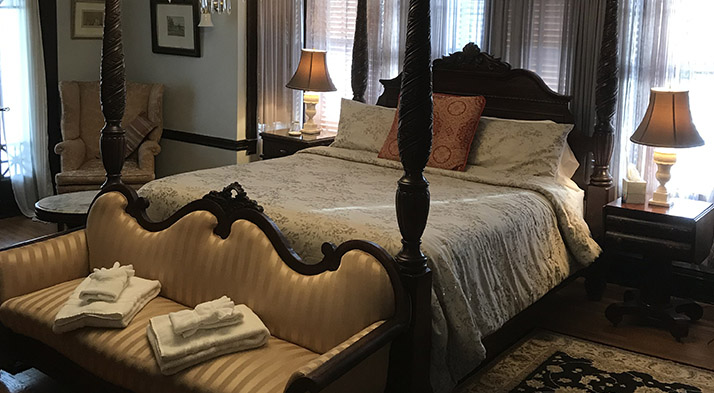
At a historic inn, no two rooms are quite alike. One guest may adore a room with a fireplace and antique furnishings, while another may appreciate extra space, a private whirlpool tub, or easy access to common areas. Ask about room configurations before assigning accommodations to family members or wedding-party guests.
This is particularly helpful for multigenerational gatherings. Parents of young children, older relatives, and friends celebrating a special anniversary may each have different needs. A little attention in advance can make every arrival feel personal rather than merely organized.
Questions to Settle Before You Reserve
The most graceful wedding room blocks are clear from the beginning. Before inviting guests to book, confirm the stay dates, number of rooms, nightly rates, taxes or fees, deposit requirements, cancellation terms, and the date by which unreserved rooms will be released.
You should also ask whether guests will book and pay individually or whether you will be responsible for any unused rooms. These two arrangements are very different. A courtesy block may allow rooms to return to general availability after a deadline, while a contracted block can carry financial responsibility for the couple or host. Neither is inherently better, but the distinction deserves a direct conversation.
If breakfast is included, ask about serving times and whether your group can be accommodated together. The morning after a wedding is often one of its sweetest chapters. A formal dining room filled with family stories, or a patio breakfast beneath the garden air, can be every bit as memorable as the reception.
Finally, consider arrival and departure logistics. Share check-in details, parking information, transportation options, and any accessibility considerations early. Guests are deeply appreciative when these small practical questions have already been answered for them.
How to Share the Details With Guests
Once your rooms are arranged, place lodging information on your wedding website, invitation enclosure, or welcome email. Keep the language simple and warm. Name the property, provide the reservation deadline, explain how to book, and note whether the rooms are being held specifically for your group.
Avoid assuming that every guest must stay in the block. Some may live nearby, have loyalty preferences, or need a different price point. A thoughtful lodging note offers an invitation, not an obligation. You may wish to present your selected inn as the preferred stay for family and close friends while also listing a few practical alternatives in the area.
For an intimate group, a personal touch goes a long way. Let the wedding party know which rooms you have earmarked for them, or welcome parents and grandparents with a handwritten note upon arrival. These gestures suit a celebration held in a house of history and hospitality, where guests should feel like honored visitors rather than room numbers.
Make the Stay Part of the Celebration
The strongest reason to arrange wedding accommodations is not simply convenience. It is continuity. When guests wake within walking distance of the festivities, gather in the parlor before photographs, or return after the reception to rooms warmed by period character and fine linens, the wedding feels less like a single event and more like a complete weekend.
At Edgewood Manor Inn, that sense of occasion is woven into the setting itself: stained and leaded glass, authentic antiques, formal rooms, lush gardens, and the quiet romance of a circa-1905 mansion. For a small wedding party or a family gathering, such surroundings lend an intimacy that a conventional hotel corridor rarely provides.
Still, atmosphere should be balanced with practicality. A historic property may have a limited number of rooms, distinctive layouts, and high demand on popular weekends. Reserve early, be candid with guests about availability, and have a secondary lodging option ready for anyone who books later than expected. Thoughtful planning allows the charm of the setting to shine without asking it to solve every logistical need.
A Few Months Before the Wedding
As the date approaches, gently remind guests of the reservation deadline. A brief note is usually enough, especially for travelers who intend to attend but have not yet finalized their plans. After the deadline, confirm your final rooming list and let the property know about any special occasions, mobility needs, or guest preferences that may affect the stay.
You may also use this moment to shape the welcome experience. Consider a small bag with water, local treats, a weekend itinerary, and a note of thanks. If you are hosting a rehearsal dinner or post-wedding breakfast, include those details clearly. Guests should never have to wonder where they need to be next.
A well-chosen room block gives your favorite people time to settle in, admire the setting, and arrive at your ceremony feeling cared for. That is a lovely gift to offer before the first flower is carried down the aisle.