The hour you choose changes more than the menu. It shapes the light in the photographs, the rhythm of the celebration, the attire your guests select, and the memories they carry home. When weighing a wedding brunch versus evening reception, the better choice is the one that feels most like the two of you – not simply the one tradition suggests.
A brunch wedding can feel fresh, intimate, and delightfully unexpected beneath the morning light. An evening reception brings candlelight, music, and the lingering glamour many couples have imagined for years. Both can be exquisite in a historic mansion setting. The decision comes down to the experience you want to create for your guests and yourselves.
Wedding Brunch Versus Evening Reception: The Feeling
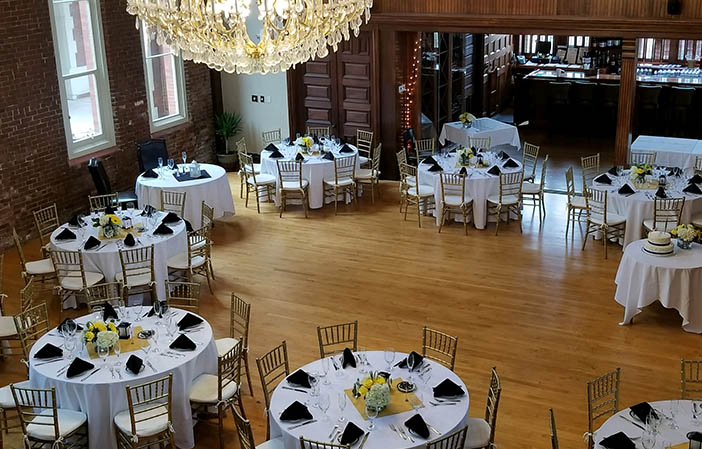
A brunch reception has an easy elegance. Guests arrive with the day still unfolding before them, and the celebration often feels relaxed from the first glass of sparkling wine. Sunlight through leaded glass, flowers in the garden, and a gracious dining room set for brunch create a warm, welcoming occasion without requiring a formal late-night schedule.
This format can be especially lovely for a smaller guest list. There is time to talk, savor the meal, and enjoy the people closest to you. A bride may choose a shorter gown or a more softly tailored silhouette, while guests often embrace garden-party attire, hats, florals, and lighter colors. That said, a brunch wedding need not be casual. Fine linens, antique silver, a string trio, and a champagne toast can make the morning feel every bit as ceremonial as an evening affair.
An evening reception is naturally more dramatic. As daylight fades, fireplaces glow, candles flicker against polished wood, and formal rooms take on a richer, more romantic character. It suits couples who want a classic entrance, a lingering cocktail hour, dinner and dancing, and the sense that the night belongs entirely to their celebration.
If your vision includes a formal gown, black-tie-inspired attire, a band or DJ, and a full dance floor, evening may feel like the natural fit. Guests also tend to understand the rhythm of an evening event instinctively: cocktails, dinner, toasts, cake, and music into the night.
Consider the Budget Beyond the Meal
Brunch is often chosen partly for its potential value, and there is truth in that. Breakfast and lunch menus may cost less per guest than an elaborate evening dinner, and a shorter reception can reduce expenses for bar service, entertainment, and staffing. A daytime gathering may also leave room in the budget for details that make the setting feel personal, such as abundant seasonal flowers, handwritten menus, or a beautiful wedding cake served with coffee.
But lower cost is not automatic. A lavish brunch with raw bar selections, champagne cocktails, live music, specialty coffee, and multiple food stations can be just as substantial as dinner. Likewise, a smaller, thoughtfully designed evening reception may be more attainable than a large daytime event. The useful question is not, “Which is cheaper?” It is, “Where do we want to spend for the kind of hospitality we value?”
Evening receptions commonly require a larger investment in a hosted bar, entertainment, lighting, and a longer venue timeline. In return, they offer the full, unhurried feeling of a night out. Brunch celebrations can redirect those funds toward an elevated meal, a honeymoon suite, or a weekend stay for family members traveling to Providence.
Food and Drink Set the Tone
The menu is one of the clearest distinctions between the two choices. A wedding brunch invites food with comfort and charm: buttery pastries, seasonal fruit, eggs prepared to order, smoked salmon, French toast, quiche, roasted potatoes, and a beautifully presented sweets table. It can be refined without becoming overly formal.
For drinks, consider Champagne, mimosas with fresh juices, bellinis, Bloody Marys, coffee, tea, and nonalcoholic spritzes. Morning cocktails are festive, but they should be offered with care. A brunch reception usually works best when alcohol is an accent to the gathering rather than the centerpiece.
An evening menu allows for more traditional cocktail-hour fare and a plated or family-style dinner. It can be as grand as a multi-course meal or as inviting as a chef-led seasonal supper. Wine pairings, signature cocktails, late-night desserts, and a cake cutting after dinner all have room to unfold at a leisurely pace.
Neither approach is more sophisticated by default. A refined brunch can be memorable because it feels distinctive, while an evening dinner can be magnificent because it honors a beloved wedding tradition. Choose the meal you would genuinely look forward to sharing with the people you love.
Think About Your Guests’ Day
A brunch reception often works beautifully for guests with young children, older relatives, or travel plans later in the day. It avoids a late bedtime and gives visitors an open afternoon to explore Providence, stroll through a historic neighborhood, or rest before gathering again for an informal family dinner.
There are practical considerations, however. A 10:30 a.m. ceremony may mean an early start for hair, makeup, photography, and vendors. Couples who want private first-look portraits should expect to begin preparations before sunrise. For guests traveling a longer distance on the wedding day itself, an early arrival can also be difficult.
Evening receptions provide more preparation time and may be easier for guests arriving that afternoon. They are often better suited to people who work during the week, especially for a Friday wedding. Yet a late conclusion can be tiring for some attendees, and overnight accommodations become more important when guests should not be driving home after a celebration.
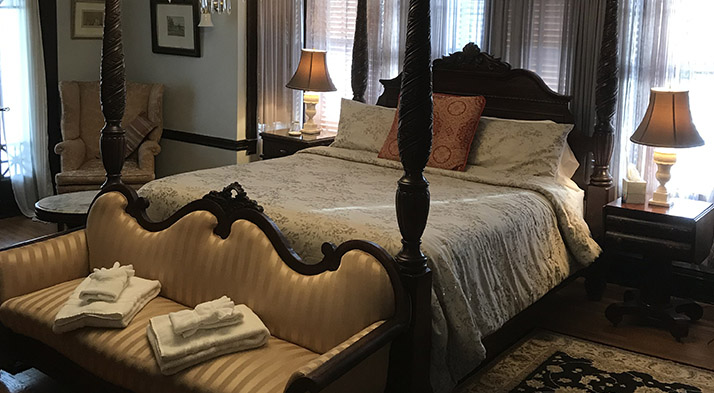
At Edgewood Manor Inn, the appeal of an intimate mansion wedding is that the occasion need not feel rushed in either direction. A couple may gather loved ones for a daylight ceremony amid the gardens, or welcome them into formal rooms as evening settles over the property. For those staying overnight, an elegantly appointed guest room can turn the wedding into a fuller Providence escape rather than a single busy day.
Photography, Season, and Setting
Morning and afternoon light are generous and flattering, particularly in spring, summer, and early fall. A brunch wedding can make the most of a garden ceremony, flowering trees, and the graceful architecture of a historic home. It is ideal for couples drawn to soft photographs, fresh flowers, and a celebration that feels luminous rather than theatrical.
An evening reception creates a different kind of beauty. Winter weddings, in particular, benefit from the glow of interior spaces, candlelit tables, formal portraits near a fireplace, and the richness of antique furnishings. In warmer months, guests can still enjoy an outdoor cocktail hour before returning indoors for dinner and dancing.
Weather matters in New England, of course. If your heart is set on an outdoor garden moment, build a graceful indoor alternative into the plan. A historic venue with handsome rooms and architectural detail offers reassurance: rain may change the backdrop, but it does not have to diminish the occasion.
Choose the Celebration You Will Remember
A brunch wedding is not a lesser version of an evening reception. It is a different kind of hospitality: sunlit, convivial, and often wonderfully intimate. An evening reception is not automatically more formal or more meaningful. It simply offers a deeper sense of ceremony after dark, with more time for dinner, dancing, and celebration.
Picture your wedding at its happiest. Do you see loved ones lingering over coffee and Champagne while sunlight fills the room? Or do you see candlelight, a favorite song, and everyone you love gathered close as the evening unfolds? Follow that image. The most beautiful reception is the one that makes your guests feel cared for and makes the two of you feel entirely at home.