A champagne toast beneath leaded glass, a bride pausing at the foot of a grand staircase, a family gathered in a formal dining room that feels more like a cherished home than a rental hall – this is the particular pleasure of mansion event planning. A historic residence gives even a small gathering a sense of occasion. Yet its beauty asks for thoughtful choices: a guest list that suits the rooms, a timeline that lets the architecture shine, and details that feel personal rather than overproduced.
For weddings, anniversaries, showers, christenings, and memorial gatherings, a mansion is at its finest when the celebration honors its scale. The goal is not to make an intimate event look larger. It is to make every guest feel beautifully received.
Mansion Event Planning Starts With the Feeling
Before comparing menus or choosing flowers, decide what you want guests to remember. Perhaps it is a candlelit dinner among antiques, vows framed by mature gardens, or the warmth of gathering by a fireplace on a cool New England evening. That emotional picture should guide the practical decisions to follow.
A mansion venue naturally lends itself to celebrations with character. Its formal rooms, original woodwork, stained glass, artwork, and period furnishings already contribute color and texture. Rather than competing with those elements, choose a design direction that belongs there. Soft ivory florals, garden roses, taper candles, silk ribbon, polished glassware, and restrained metallic accents often feel at home in historic surroundings.
This does not mean every event must look Victorian. A clean, contemporary table setting can be exquisite against ornate architecture, especially when it uses a limited palette. The balance is what matters. Let the house remain visible in photographs and in the guest experience. A beautiful room should not disappear beneath oversized backdrops, dense signage, or too many competing colors.
Choose a Guest Count That Suits the Rooms
One of the great advantages of a mansion celebration is intimacy. Guests can converse without shouting across a cavernous ballroom. Hosts can greet each person. A ceremony can feel deeply present rather than distant.
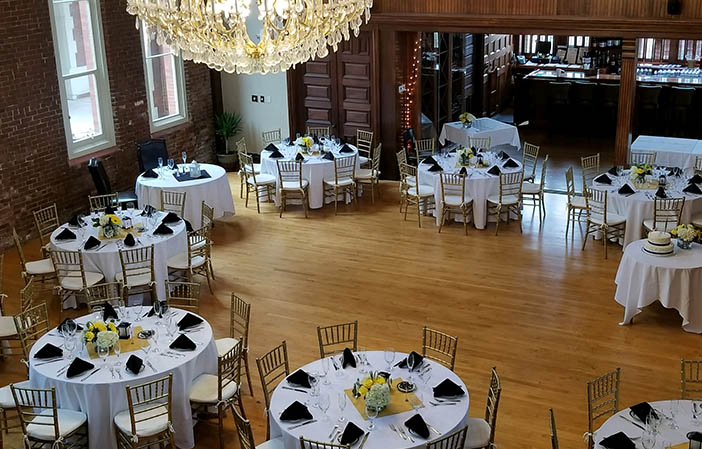
That intimacy depends on respecting the venue’s natural capacity and flow. Ask not only how many people can fit in a room, but how many will be comfortable during each part of the occasion. A seated dinner, cocktail reception, ceremony, and dancing each require a different arrangement. The guest count that works beautifully for a cocktail-style anniversary party may feel crowded for a plated reception with a dance floor.
Historic homes also have doorways, staircases, fireplaces, and architectural focal points that shape movement through the space. Consider where guests will arrive, hang coats, enjoy a drink, sign a guest book, and transition from one room to another. If older relatives or guests with mobility needs will attend, discuss accessible routes, seating locations, and restroom access early in the process.
A smaller guest list is not a compromise in this setting. It can make room for finer food, more considered tablescapes, a meaningful welcome toast, and the unhurried hospitality that turns a gathering into a memory.
Build a Celebration Around Natural Flow
Mansion events feel most graceful when they move from room to room with purpose. Rather than placing every moment in one space, allow the house to reveal itself gradually. Guests might enter through a welcoming parlor, enjoy cocktails near the gardens, gather in a ballroom for dinner, and finish with cake and conversation by the fire.
For a wedding, this might mean a garden or formal-room ceremony followed by a brief cocktail hour while the couple takes portraits among the architectural details. Dinner can then become the heart of the evening, with toasts and first dances planned where everyone has a clear view. For showers and milestone birthdays, a seated luncheon or elegant afternoon tea may be more fitting than a late-night format.
Leave breathing room in the schedule. Guests at a mansion venue will want to admire the rooms, visit with loved ones, and take photographs. An overly tight timeline can make even the most lovely setting feel hurried. Build in a few quiet minutes after the ceremony, between courses, or before a farewell so the celebration can settle into its own rhythm.
Plan for the Realities of a Historic Property
A century-old mansion has qualities no modern event hall can replicate, but it also has practical considerations. Preservation-minded venues may have policies regarding open flames, attachments to walls, amplified music, outside furniture, or where vendors may load in. These guidelines protect the very details that make the property extraordinary.
Treat such boundaries as part of the creative brief. Flameless candles can provide a soft glow where open flames are unsuitable. Freestanding floral installations can be just as dramatic as décor attached to historic plaster. A talented musician or carefully managed playlist may suit an intimate reception better than sound levels intended for a large convention room.
Ask the venue about vendor arrival times, kitchen access, parking, delivery procedures, cleanup expectations, and weather contingencies. If you are planning an outdoor moment, have a lovely indoor alternative rather than viewing it as a lesser option. A garden ceremony is enchanting in fair weather, but rain against stained glass and candlelight in a formal room can be equally romantic.
It also helps to appoint one trusted decision-maker for the day. Whether it is a planner, a family member, or the host, that person can answer small questions without interrupting the couple or guest of honor. The best hospitality feels effortless because someone has already attended to the details.
Let Food and Service Match the Setting
In an intimate mansion, dining becomes part of the atmosphere. A carefully served dinner, refined buffet, or elegant cocktail reception can all work well, depending on the occasion and guest count. The right choice depends less on formality than on how you want people to spend their time.
A seated meal encourages conversation and lends itself to weddings, anniversaries, and rehearsal dinners. Stations and passed hors d’oeuvres create movement for mingling events. A brunch celebration can be especially charming for a shower or christening, particularly when it incorporates fresh seasonal fruit, pastries, and warm coffee served in formal dining rooms or on a patio.
Do not overlook pacing. A menu with too many courses can slow a brief daytime gathering, while a reception that runs through dinner should offer enough substantial food that guests feel genuinely cared for. Discuss dietary needs in advance, and make the bar offering feel considered rather than excessive. A signature cocktail, champagne toast, or sparkling nonalcoholic option may be all an intimate event needs.
Use Overnight Stays to Extend the Occasion
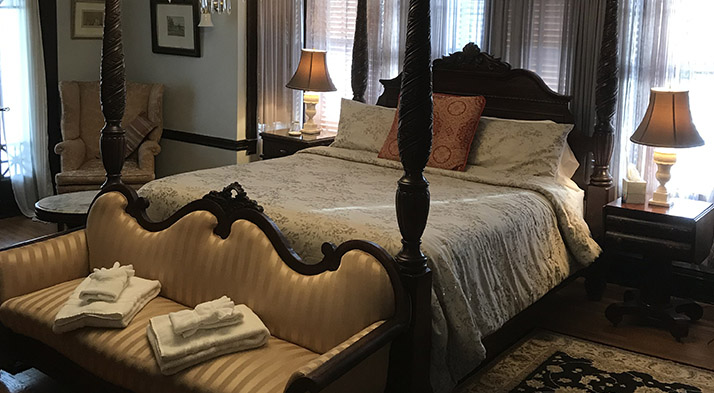
One of the loveliest distinctions of a mansion inn is the opportunity to make an event into a complete stay. For a couple, reserving a fireplace suite or a room with a whirlpool tub can create a gentle beginning and ending to the celebration. For family and close friends, nearby guest rooms offer a private place to prepare, rest, and continue conversations after the formal event is over.
This is particularly valuable for guests traveling to Providence. Instead of rushing from ceremony to hotel to breakfast elsewhere, a small group can wake to fine linens, a freshly prepared breakfast, and the pleasure of one more morning together. It is the difference between hosting an event and welcoming people into an experience.
At Edgewood Manor Inn, the grand ballroom, formal rooms, lush gardens, and individually appointed guest accommodations make that experience especially fitting for celebrations that deserve both romance and personal attention. The setting is close to Providence while retaining the quieter grace of a historic residential street.
A Simple Planning Sequence That Keeps Things Personal
Begin with your preferred date, approximate guest count, and the kind of gathering you envision. Once the venue confirms that the format suits the spaces, reserve it before committing to vendors whose requirements may not fit the property. Then shape the major elements in order: food and beverage, ceremony or reception layout, flowers and décor, photography, music, and guest accommodations.
As the date nears, confirm a detailed timeline with every vendor and share one final version with the venue. Include arrival windows, setup locations, contact numbers, meal timing, key announcements, and a weather plan if gardens are involved. A short, clear schedule gives everyone confidence while allowing the hosts to be fully present.
The most memorable mansion celebrations are rarely the ones with the most décor or the longest guest list. They are the ones in which the setting, the people, and the purpose of the day belong together. Choose the details that invite guests to linger, raise a glass, and feel that they have been welcomed somewhere truly special.