The last toast has been raised, the ballroom candles have burned low, and the thought of gathering coats for a late-night drive feels decidedly less romantic. It is no surprise that couples often ask, do wedding venues offer lodging? Many do, but the answer depends greatly on the kind of venue you choose. A grand hotel, a country estate, a historic inn, and a dedicated reception hall each create a very different experience once the celebration ends.
For couples who value an unhurried, intimate wedding weekend, lodging can be more than a practical convenience. It gives the occasion a sense of continuity: a leisurely breakfast with family, a quiet moment by the fire after guests have departed, and a lovely room waiting just steps from the festivities.
Do Wedding Venues Offer Lodging on Site?
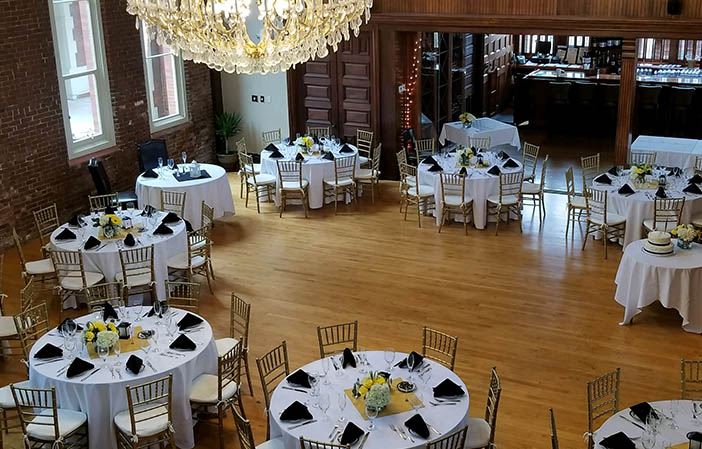
Some wedding venues are designed solely for ceremonies and receptions. They may have exquisite gardens, dramatic ballrooms, and excellent catering facilities, but no guest rooms at all. In that case, couples generally reserve a nearby hotel block and arrange transportation between the hotel and venue.
Other properties combine event spaces with overnight accommodations. Hotels are the most familiar example, but inns, resorts, private estates, and historic bed-and-breakfasts may also host weddings and provide guest rooms. These venues are particularly appealing for smaller celebrations, destination gatherings, and weddings where the couple hopes to spend meaningful time with a select group of loved ones.
The number of available rooms matters. A boutique inn may offer only enough lodging for the couple, immediate family, and a few close friends, while a large resort may accommodate every attendee. Neither arrangement is inherently better. The right choice comes down to the size of your guest list and the atmosphere you hope to create.
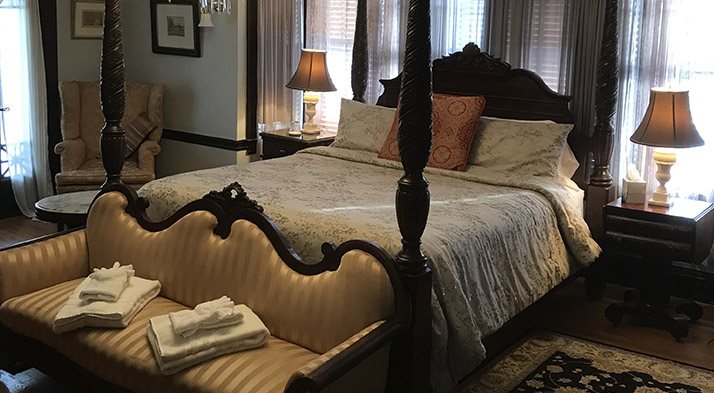
At an intimate property, on-site rooms can feel like an extension of the celebration rather than a generic overnight stay. Guests may wake to a gracious dining room, fresh breakfast, antique furnishings, and the quiet charm of a residential neighborhood. For a wedding party, that shared setting often makes the weekend feel less like a schedule of separate events and more like a house party in a magnificent home.
What On-Site Wedding Lodging Usually Includes
Overnight lodging is not always folded into a wedding package. Sometimes the couple reserves a bridal suite or a small group of rooms, while guests book and pay for their own accommodations. At other venues, a room block is held for a set period, with any unreserved rooms released after a specified date. A full property buyout may also be possible at certain inns and estates, giving one wedding party exclusive use of the guest rooms and common spaces.
The details deserve close attention. Ask whether the couple’s room is included, discounted, or offered as part of a package. Find out whether breakfast is served, whether parking is available, and whether early check-in is possible for those having hair and makeup done on property. A late checkout the morning after can be especially welcome when the celebration runs long.
Amenities also shape the experience. A comfortable private bath, climate control, fine linens, Wi-Fi, and a peaceful place to retreat are the essentials. Yet for a wedding night or honeymoon-style stay, the small luxuries are often the memorable ones: a fireplace, a whirlpool tub, flowers in the room, or a breakfast served on a garden patio.
Do not assume every guest room will be identical. Historic inns, in particular, may have individually appointed rooms with their own dimensions, views, and features. This is part of their appeal, but it means couples should review room descriptions before assigning accommodations to family members or recommending them to guests.
The Difference Between a Room Block and a Buyout
A room block reserves a certain number of rooms for your guests, usually at a stated rate and until a booking deadline. It offers flexibility, since guests can decide whether to stay on site or select another lodging option. It is often the sensible choice when relatives have different budgets, travel plans, or accessibility needs.
A buyout reserves all guest rooms for your party. This can create a wonderfully private setting for a smaller wedding, especially if you envision a welcome gathering the night before or a farewell breakfast the next morning. It also carries a larger financial commitment and may require minimum-night stays. Couples should ask about noise expectations, use of parlors and gardens, and whether other visitors will have access to any public areas during the event.
When Lodging Makes the Wedding Better
On-site accommodations are especially valuable when guests are traveling from out of town, when the reception includes cocktails and dancing, or when the wedding location is somewhat removed from major hotels. They can also be a thoughtful solution for older relatives, parents with young children, and members of the wedding party who would rather not coordinate rides at the end of the evening.
There is an emotional benefit as well. Wedding days move quickly. When loved ones are staying under the same roof or just across a garden path, the quieter moments have room to happen. A bride may share coffee with her mother before getting dressed. The couple may greet their closest friends over breakfast. Grandparents can return to their room when they need to rest without feeling as though they have left the celebration behind.
For Providence weddings, a historic inn can offer the best of both settings: a romantic residential retreat with access to downtown dining, cultural attractions, and T. F. Green Airport. At Edgewood Manor Inn, the architecture and hospitality of a circa-1905 mansion lend an unmistakable sense of occasion to intimate gatherings, while guest rooms allow the celebration to continue in a more personal, restful way.
Questions to Ask Before You Reserve Wedding Lodging
Before signing an event contract, have a direct conversation about overnight arrangements. The most beautiful room is only helpful if its terms fit your plans. Ask how many rooms are available, how many guests each room can accommodate, and whether children are permitted in every room category. If anyone in your group has mobility concerns, confirm accessible entrances, room locations, stairs, and bathroom configurations.
You will also want to understand the financial details. Is there a minimum number of rooms to reserve? Is there a two-night requirement for a weekend wedding? When are deposits due, and what happens if guests cancel? If the venue holds rooms for your group, ask precisely when the hold expires and whether unbooked rooms become available to the public.
Transportation deserves equal care. Even with on-site lodging, not every guest may be staying at the venue. A clear plan for parking, ride shares, shuttles, and late-night departures prevents unnecessary confusion. If the ceremony and reception are in separate locations, build travel time into the day rather than relying on an optimistic estimate.
Finally, ask what the morning after can look like. Some couples want only a quiet departure. Others would treasure a lingering breakfast or a simple farewell gathering. A venue with gracious common rooms, a formal dining room, or a garden patio may make that final chapter feel as considered as the ceremony itself.
How to Choose the Right Arrangement for Your Guests
Begin with your priorities, not a checklist. If your dream is a large celebration where hundreds of guests can stay in one place, a full-service hotel or resort may be the strongest fit. If you are planning a smaller wedding and care deeply about character, privacy, and personal hospitality, an inn or historic mansion may offer a more distinctive setting.
Be candid about who truly needs to stay nearby. Reserve on-site rooms first for the couple, immediate family, and anyone whose comfort or travel needs make proximity valuable. Then provide nearby alternatives for the rest of the guest list. A thoughtful mix of price points allows guests to participate fully without feeling pressured into one accommodation choice.
It is wise to reserve rooms as soon as your wedding date is confirmed, particularly for spring and fall weekends, holiday periods, and celebrations near popular city events. An intimate lodging property has limited inventory by nature. The rooms that make a wedding feel wonderfully private are often the same rooms that must be claimed early.
The loveliest wedding lodging does more than provide a place to sleep. It gives your guests time to settle into the occasion, and it gives you a gentler ending to a day you will want to remember. When you visit a venue, pause in the guest rooms as carefully as you do in the ballroom. Picture the morning light, the breakfast table, and the people you most want nearby. That feeling will tell you whether the property can hold not only your celebration, but the treasured hours around it.