A Providence stay can begin with a key card and an elevator, or with the soft glow of stained glass, a gracious welcome, and breakfast served beneath high ceilings. When weighing a bed and breakfast versus hotel, the real question is not simply where to sleep. It is how you want the city, and your time together, to feel.
For a quick overnight before an early meeting, a hotel may be exactly right. For an anniversary, a long-awaited weekend away, or a visit meant to feel like an occasion, a historic inn offers an altogether different rhythm. Both have their place. The distinction lies in atmosphere, scale, service, and the kind of memories you hope to bring home.
Bed and Breakfast Versus Hotel: The Atmosphere
A hotel is designed for consistency. From room to room and property to property, guests generally know what to expect: a reception desk, shared corridors, standardized furnishings, and an efficient arrival. That predictability can be reassuring, particularly for travelers who need a familiar routine or are booking at the last minute.
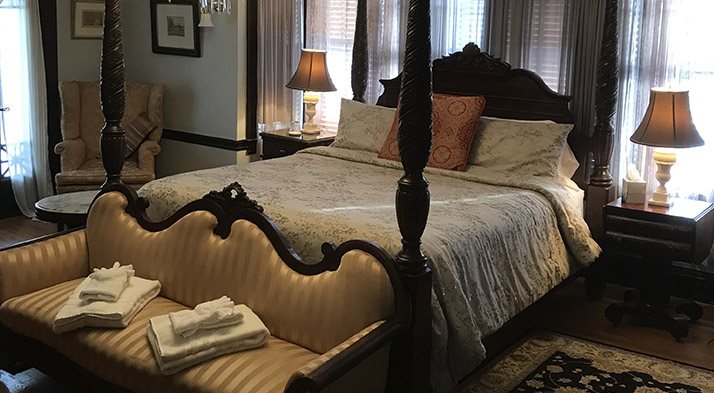
A bed and breakfast is designed around character. Each room may have its own proportions, colors, furnishings, and view. In a historic mansion, the architecture itself becomes part of the stay: carved woodwork, antique mirrors, marble mantels, formal parlors, and windows that catch the afternoon light. Rather than checking into a room that could be anywhere, guests settle into a place with a sense of time and setting.
This difference matters most for couples and celebratory travelers. A room with fine linens and a fireplace feels less like a stop between plans and more like the heart of the weekend. The surroundings encourage guests to linger over coffee, dress for dinner, or return early simply to enjoy a quiet evening together.
Privacy Comes in Different Forms
Travelers often assume a large hotel offers greater privacy because there are more rooms and fewer personal interactions. That can be true. A hotel allows guests to come and go with little conversation, and its front desk is typically staffed around the clock. For someone who values anonymity or keeps unusual hours, this arrangement may be ideal.
An intimate inn offers a more residential kind of privacy. There may be fewer guests, quieter common spaces, and no feeling of being swept along in the traffic of a busy lobby. The welcome is personal, but it need not be intrusive. Thoughtful innkeeping means knowing when to offer a restaurant suggestion, arrange a special touch, or simply let guests enjoy the peacefulness of their room.
For a romantic getaway, the smaller scale often feels especially private. A garden path, a secluded patio table, or a suite with a whirlpool tub creates a setting that belongs to the two of you, even when the inn is welcoming other guests.
Breakfast Is More Than an Amenity
The name makes the point plainly, yet breakfast is one of the clearest differences between a B&B and a hotel. At many hotels, breakfast is optional, grab-and-go, or served in a busy dining area. It is practical, and for travelers rushing to a conference or the airport, practical can be enough.
At an upscale bed and breakfast, breakfast is part of the hospitality. It is often included in the stay and served at a proper table in a formal dining room or, when the weather is kind, on the patio. The experience invites a slower start: coffee poured fresh, a conversation about the day ahead, and the pleasure of beginning the morning somewhere beautiful.
That does not mean every guest wants a leisurely meal. Business travelers may need to leave early, and families with packed schedules may prefer a faster option. Before booking, ask about serving times and dietary accommodations. A good innkeeper will help you understand what fits your plans rather than asking you to reshape them entirely.
Service: Personal Guidance or On-Demand Convenience?
Hotel service often depends on departments. Concierge, housekeeping, front desk, restaurant, and event staff each serve a defined role. Larger hotels may provide extensive resources, especially when a guest needs late-night assistance, a fitness center, room service, or a substantial meeting facility.
At a bed and breakfast, the service is usually more direct and personal. The host is often deeply familiar with the neighborhood, the best route downtown, nearby dining, and the small details that make a celebration feel considered. Instead of receiving a generic list of attractions, guests may receive recommendations shaped around a proposal dinner, a museum afternoon, a theater evening, or a quiet place to walk after brunch.
This is where an inn can become especially valuable to visitors unfamiliar with Providence. A thoughtfully located property offers access to downtown, historic neighborhoods, and T.F. Green Airport while preserving the calm of a residential setting. The benefit is not only proximity. It is having someone who can help turn proximity into a well-spent day.
Rooms and Amenities: Compare the Details, Not the Labels
Neither “hotel” nor “bed and breakfast” tells you enough about comfort on its own. Some hotels offer expansive suites, pools, fitness centers, and all-hours services. Some B&Bs have smaller rooms, historic staircases, and fewer on-site facilities. Those may be trade-offs, not flaws, but they should be considered honestly.
Look beyond the category and ask what matters for your stay. Private baths, reliable Wi-Fi, air conditioning, cable television, and comfortable work surfaces may be essential for a corporate guest. A fireplace, elegant antiques, a private sitting area, or a Jacuzzi tub may matter more for a honeymoon or birthday weekend. Parking, accessibility needs, pet policies, check-in procedures, and the availability of an elevator are also worth confirming before reserving.
Historic properties carry particular appeal because their rooms are not made to a single template. One suite may be lavish and expansive, another may be warmly intimate, and both can be beautifully appointed. The right choice is the room that supports your occasion, not necessarily the room with the longest amenity list.
When a Hotel May Be the Better Choice
There is no prize for choosing a B&B when a hotel better suits the trip. A large hotel can be a smart choice for travelers who need a major conference venue, an airport shuttle, a pool for children, loyalty-program benefits, or 24-hour front desk support. It can also be convenient when a group wants identical room types and a central place to gather without much advance planning.
Hotels are often built for volume and flexibility. If your arrival is very late, your schedule changes constantly, or you need services at unconventional hours, that scale can remove friction from the trip.
When a Historic Inn Is Worth Choosing
A bed and breakfast tends to shine when the lodging is part of the purpose. It is made for couples celebrating an engagement, anniversary, honeymoon, or simply the rare gift of unhurried time together. It also suits visitors who would rather wake up in a house of historic beauty than in a room defined by efficiency alone.
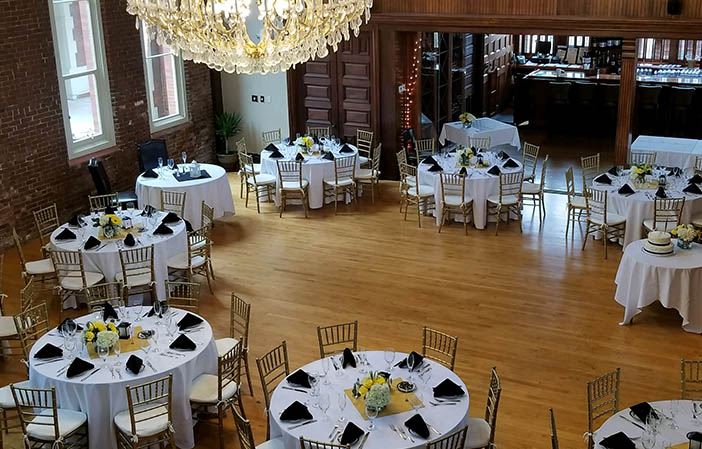
For intimate gatherings, the advantage can be even greater. A mansion setting brings natural drama to a shower, small wedding reception, christening, or memorial gathering. Formal rooms, gardens, and period details create an elegant backdrop before flowers or music are even added. At Edgewood Manor Inn, this marriage of lodging and occasion allows guests to stay in the same refined setting where they gather with the people they love.
The best choice begins with an honest picture of your trip. If you need speed, uniformity, and broad facilities, reserve the hotel that makes those priorities easy. If you want to be welcomed into a memorable setting, wake to a gracious breakfast, and let Providence feel a little more romantic, choose the inn whose rooms invite you to stay awhile.